 kultura sjećanja / remembrance culture
Workshops: “Be a Researcher: Explore the History of Zagreb under the Ustaša Regime through Eyewitness Testimonies” and "Biographies of Antifascists as a Motivation for Active Citizenship Today"
Yesterday, on 25 November 2025, the first of two workshops within the ReMEMBER Europe project took place, titled “Be a Researcher: Explore the History of Zagreb under the Ustaša Regime through Eyewitness Testimonies.” During the workshop, young participants had the opportunity to actively explore Zagreb’s history, focusing on everyday life during the Second World War through excerpts from interviews with eyewitnesses.
By analysing selected testimonies, participants reflected on how the establishment of the Ustaša regime and its system of terror shaped the lives of citizens, and compared personal memories with official narratives and dominant historical interpretations.
The second part of the workshop centred on Rakov Potok, the second largest execution site in Zagreb during the Second World War. Participants explored the historical context of the location, the wording of the memorial, and the atmosphere of fear associated with the site in survivors’ memories. After reading the testimonies, a discussion followed on how witnesses remember Rakov Potok, the emotions they associate with it, and the reasons why people were taken there and executed.
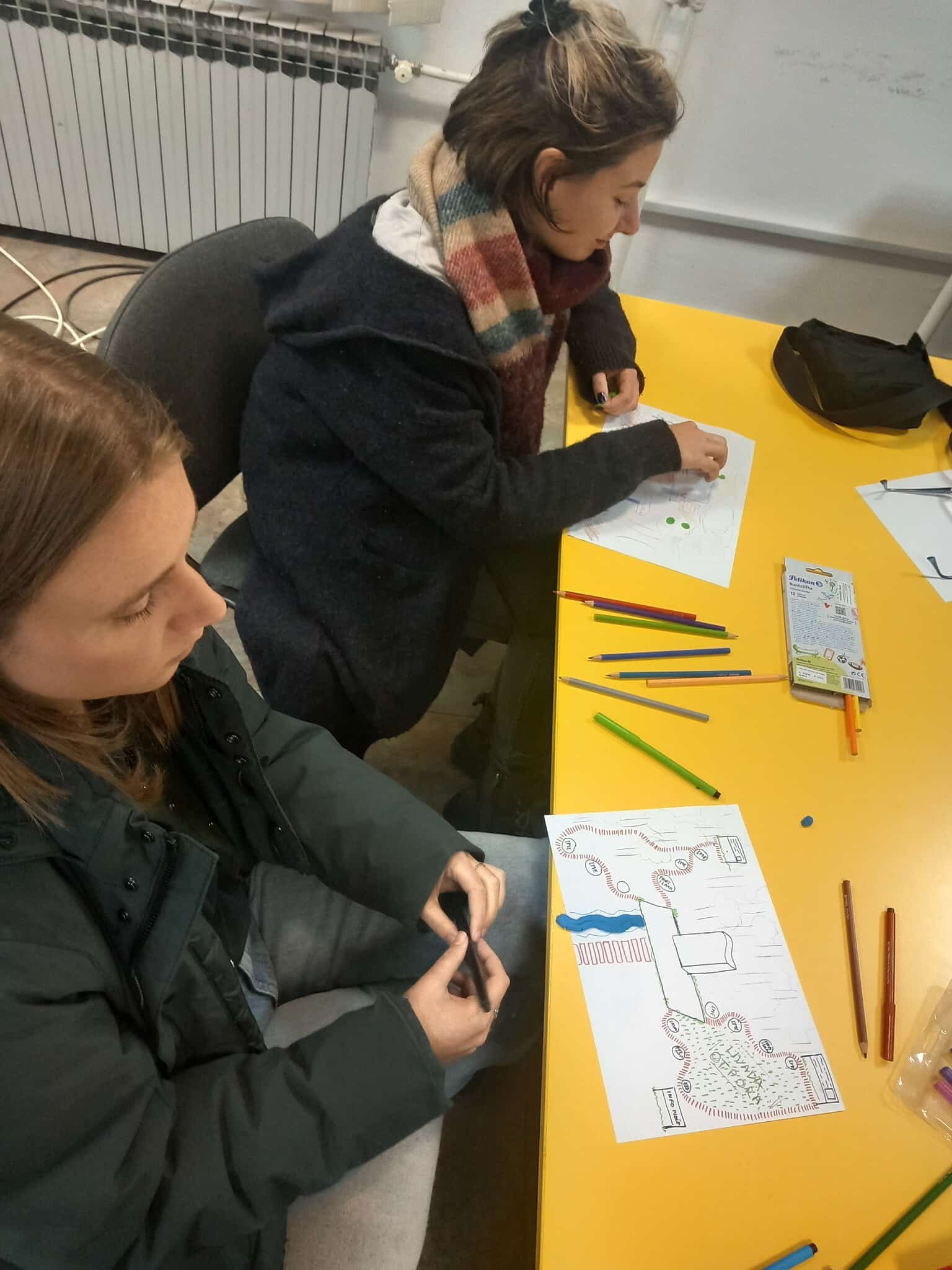
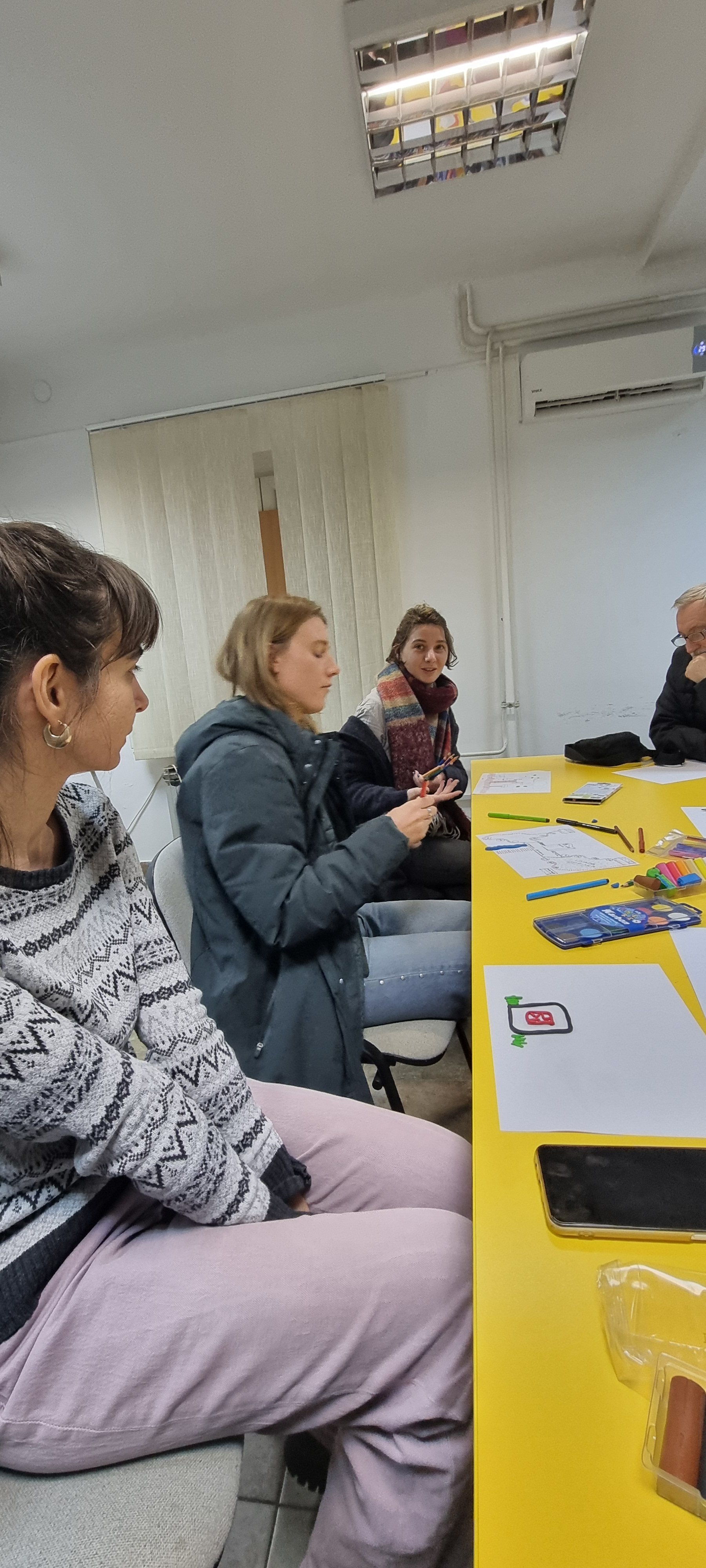
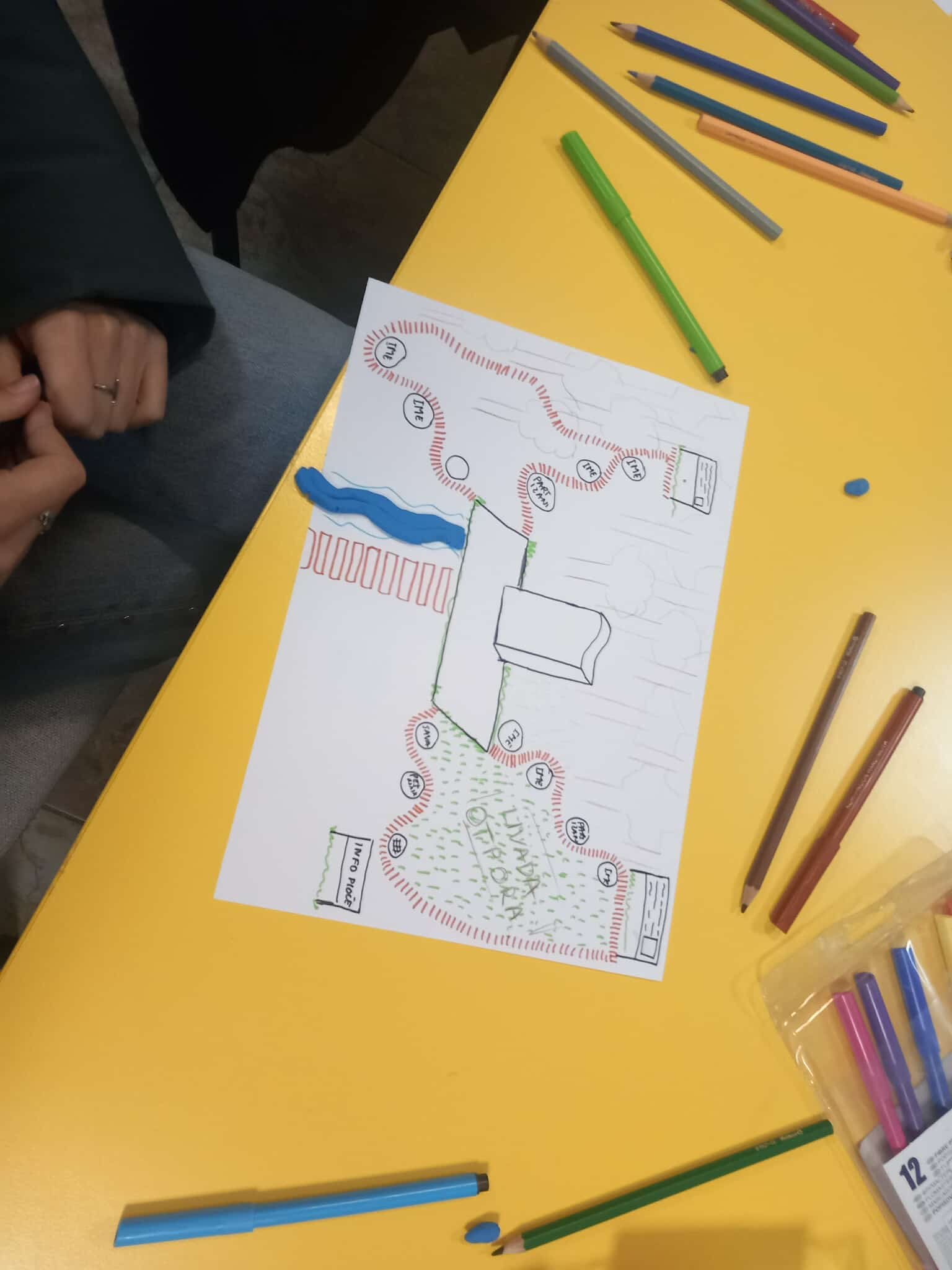
The third part of the workshop focused on memorialisation. Using photographs showing how the Rakov Potok Memorial Park looked in the past and how it appears today, participants developed creative ideas for improving existing forms of commemoration. The emphasis was on creating an inclusive, contemporary, and dignified space that would more adequately represent all victims.
Today, 26 November 2025, the second workshop was held, as part of the same cycle, entitled “Biographies of Anti-Fascists as Motivation for Action Today.” The workshop took place at the Faculty of Humanities and Social Sciences in Rijeka, in cooperation with the Department of Cultural Studies. Students had the opportunity to work in groups to explore the biographies of victims executed in Rakov Potok during the Second World War, most of whom were killed because they were members of the resistance movement.
They discussed which values motivated people in the past to oppose fascism, even though doing so posed great danger to them, and whether those same values, or perhaps different ones, are needed today in order to resist human rights violations and other contemporary threats.
In the second part of the workshop, students used creative methods to illustrate these threats, which we, as active citizens, must confront today, as well as the values we need in order to do so.
Materials from both workshops are available at the links below.
The project is funded by the European Union through the CERV programme.